


Performance characteristics of precision ceramic plunger
The plunger is a part of the centrifugal pump, and its main function is to transfer liquid in the pump or refrigeration compressor. Its working principle is: it is installed in a long cylinder body and can do front, back, left and right (sliding door) fitness exercises. There are two kinds of inlet and outlet pipelines equipped with valve gates respectively communicating with the cylinder body. The gap between the plunger and the cylinder body is equipped with appropriate sealing performance. When the plunger moves backward, the outlet valve is closed and the inlet valve is opened, and the liquid is sucked into the cylinder body in the inlet pipeline, when the plunger moves forward, the inlet valve is closed and the outlet valve is opened. The liquid in the cylinder body is rolled and sent out in the outlet pipeline. The plunger moves continuously and repeatedly in the cylinder body, and the liquid is continuously transmitted to the overall target company. This is the effect of the plunger. Generally, the plunger is generally used in places with relatively high pressure.
Before the work of the plunger pump, it is necessary to check whether there is any problem with its oil consumption, because once oil leakage occurs, it will also cause many indirect problems. For example, if the leakage exceeds the specification, the pressure of the skeleton seal will be too high, and the skeleton seal, as a low-value consumable component, will be damaged by external force, and may pop up at the moment of sharp increase in working pressure. If the leakage is too much, it may also cause blockage. Therefore, attention should be paid to avoid the piston pump during operation. Before the plunger pump is working, it is necessary to see if each anchor bolt of the plunger pump is loose. The loosening of all anchor bolts will cause sealing damage. After sealing damage, it will cause damage to pipe joints indirectly. Even if there is a small loosening, several structures will be cracked or aged for a long time. Therefore, in normal times, attention must be paid to the maintenance of the working profile of the plunger pump to ensure its mechanical stability.
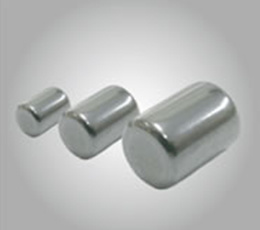
Thus, it can be seen that the requirements for the plunger material are very high. The more common plungers are stainless steel plate plungers and ceramic plungers. Next, we will introduce the advantages of ceramic plungers.
1. Smooth performance. Structural ceramics have good corrosion resistance. After the ceramic plunger is developed with advanced technology, it can pass the safety performance test of corrosion resistance, ph resistance and other aspects, so it has high hardness, wear resistance, heat resistance, corrosion resistance and other properties, thus ensuring that the performance of the ceramic plunger is more reliable and stable during use.
2. Strong and durable. Ceramic plunger has the characteristics of wear resistance, heat resistance, corrosion resistance, etc., the service life will be longer than the stainless steel plate plunger, no need to change frequently, saving equipment investment.
3. Easy to clean up. The inner wall surface of the ceramic plunger and the plunger surface are both produced and processed by cutting-edge high-precision inner and outer cylindrical grinding machines to meet the requirements of high smoothness, and the outer open surface is polished and polished by vibration, so that it can be cleaned, disinfected and sterilized conveniently and quickly after use.
Ceramic Plunger
In recent years, with the improvement of precision die-casting manufacturing technology, the quality and stability of ceramic plungers have been greatly improved. Ceramic plunger has been widely used in pharmaceutical equipment, environmental protection engineering, crude oil and chemical plants and other business areas.
Plunger
Other Content
2024-01-02

Can meet your needs of a variety of materials!

WeChat Public Number
Address:
Foreign companies
Established:April 20, 1994